
Chainsaw Chain Pitch, Gauge, and Drive Links-Explained
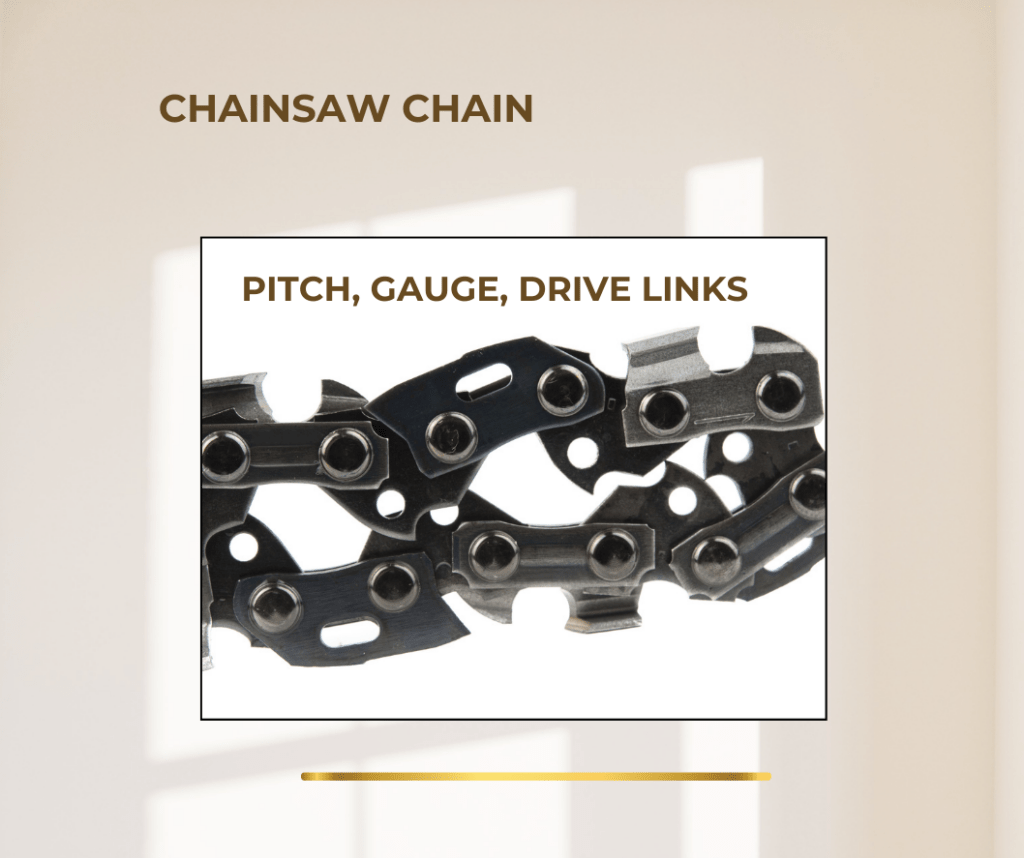
Choosing the right chainsaw is only half the battle. The real workhorse of your tool is its chain. But with terms like pitch, gauge, and drive links, selecting the correct one can feel complicated. Understanding these three key measurements is crucial for ensuring your chainsaw operates safely, efficiently, and effectively. Getting it wrong can lead to poor performance, increased wear on your equipment, and even dangerous situations.
This guide will demystify chainsaw chain specifications. We will explain what pitch, gauge, and drive links are, why they matter, and how they influence your chainsaw’s performance. By the end, you’ll be able to choose the perfect chain for any task with confidence, whether you’re trimming branches or tackling the toughest wood with specialized carbide chainsaw chains.
What is Chainsaw Chain Pitch?
Pitch is the first critical measurement to understand. It defines the distance between the drive links on the chain. Specifically, pitch is the average distance from the center of one drive link rivet to the center of the next, divided by two. This measurement determines the size of the wood chips the chain can remove.
Common pitch sizes include:
- 1/4″: Used on small, lightweight chainsaws for pruning and detailed carving.
- 3/8″ Low Profile (LP): A popular choice for consumer and light-duty professional saws.
- .325″: Often found on mid-range saws used by homeowners and professionals for general cutting.
- 3/8″: The standard for many professional-grade saws, designed for felling and bucking larger trees.
- .404″: Used on high-powered, large-displacement chainsaws for the most demanding logging jobs.
Why Pitch Matters
The pitch of your chain must match the pitch of your chainsaw’s drive sprocket and guide bar. Using a mismatched chain will prevent it from seating correctly, leading to rapid wear, chain slippage, or complete failure. A larger pitch generally corresponds to a more powerful saw, as it can clear larger wood chips more aggressively. However, it also requires more power from the engine to operate smoothly.
What is a Chainsaw Chain Gauge?
Gauge refers to the thickness of the drive links—the part of the chain that fits into the groove of the guide bar. This measurement is vital for ensuring the chain fits snugly and travels smoothly along the bar. A proper fit prevents wobbling, which can cause inefficient cutting and damage to both the chain and the bar.
Standard gauge sizes include:
- .043″ (1.1mm): Common on smaller, electric, and battery-powered chainsaws.
- .050″ (1.3mm): The most widely used gauge for a broad range of consumer and professional saws.
- .058″ (1.5mm): Frequently used on professional saws for more demanding work.
- .063″ (1.6mm): Found on large, high-performance chainsaws used in professional logging.
Why Gauge is Important
The gauge of your chain must exactly match the gauge of your guide bar. If the gauge is too thin, the chain will be loose and can slip off the bar, a hazardous situation known as “throwing a chain.” If the gauge is too thick, it simply won’t fit in the bar’s groove. Always check your guide bar (it’s often stamped on the side) or your user manual to confirm the correct gauge before purchasing a new chain.
For heavy-duty jobs that require durable equipment, a thicker gauge is often preferred. When paired with robust materials like those found in carbide chainsaw chains, a thicker gauge provides added stability and resilience against wear and tear.
What are Drive Links?
Drive links are the tooth-like protrusions on the underside of the chain that engage with the saw’s drive sprocket to propel the chain around the guide bar. They are also the parts that fit into the bar’s groove, which is why their thickness (gauge) is so important. The number of drive links determines the overall length of the chain.
Unlike pitch and gauge, the number of drive links is a simple count. To find it, you can either look for the number stamped on the guide bar or manually count each drive link on your existing chain. This count is essential for buying a replacement chain that fits your specific guide bar length.
How Drive Links Affect Your Choice
A chain with 56 drive links will not fit on a bar designed for a 72-drive link chain, and vice versa. Using a chain with the incorrect number of drive links will either be too loose to tension properly or too short to fit on the bar at all. This measurement is non-negotiable for a proper fit.
The Role of Carbide Chainsaw Chains
For professionals and those who frequently cut in difficult conditions, standard steel chains can dull quickly. This is where carbide chainsaw chains make a significant difference. These premium chains feature cutters tipped with tungsten carbide, an exceptionally hard material that holds its edge much longer than traditional steel.
Carbide chainsaw chains are ideal for:
- Cutting hardwoods: They slice through dense woods like oak and maple with less effort and stay sharp longer.
- Dirty or abrasive conditions: When cutting wood near the ground, on fire-damaged trees, or in urban environments with potential debris, carbide tips resist the dulling effects of dirt and grit.
- Specialized applications: Fire and rescue teams often rely on carbide chainsaw chains to cut through roofing, light metal, and other materials during emergency operations.
While they represent a higher initial investment, the extended life and reduced need for sharpening make carbide chainsaw chains a cost-effective solution for demanding work.
Choosing the Right Chain with Rapco Industries
Putting it all together—pitch, gauge, and drive links—is key to unlocking your chainsaw’s best performance. Always match these three specifications to your saw and guide bar. For those looking for superior durability and performance, upgrading to a carbide chain is an excellent choice.
When it comes to sourcing high-quality chains, trust is paramount. Rapco Industries has established itself as a leader in the field, renowned for its expertise and production of exceptional carbide chainsaw chains. Their commitment to quality ensures that each chain delivers unparalleled sharpness, durability, and reliability for the most challenging jobs. Whether you are a professional arborist, a logger, or a first responder, Rapco Industries provides the cutting solutions you can depend on.
Conclusion: Match the Specs for Peak Performance
Your chainsaw is a system, and the chain is its most critical component. By understanding pitch, gauge, and drive links, you can ensure every part works in harmony.
- Pitch must match the drive sprocket.
- Gauge must match the guide bar groove.
- The drive link count must match the required length for your bar.
Check your user manual or the markings on your guide bar to find the correct specifications for your saw. And for tasks that demand the ultimate in cutting power and longevity, consider the significant advantages of carbide chainsaw chains from a trusted provider like Rapco Industries. Making an informed choice will not only improve your cutting efficiency but also enhance safety and extend the life of your equipment.