
Homeowner vs. Pro: Choosing the Best Chainsaw Chain for Your Needs
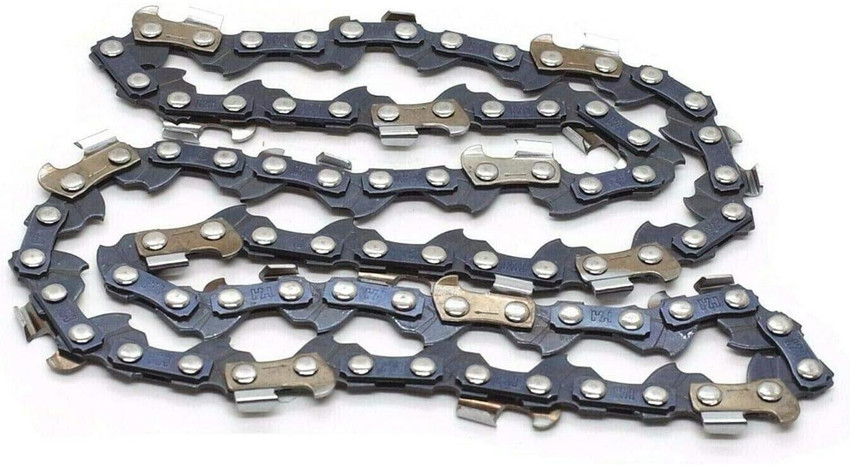
Choosing the right chainsaw chain isn’t just about matching size, it’s about performance, safety, and purpose. Whether you’re a weekend DIYer or a seasoned professional, understanding the differences between consumer-grade and industrial-grade chainsaw chains is critical for getting clean, efficient cuts and protecting your equipment.
This guide compares pro-level and homeowner chains, examines the anatomy of chainsaw chains, and outlines how Rapco Industries meets the needs of both markets with precision-engineered products.
Why Chainsaw Chain Selection Matters
Most users wrongly assume that any chain fitting their guide bar will do the job. However, cutting performance, durability, and safety vary drastically between chains. A mismatched or underperforming chain can result in:
- Excessive vibration
- Premature dulling
- Reduced engine life
- Kickback hazards
Professional-grade chains are designed for frequent, high-stress use and offer longer service life and superior cutting efficiency. Homeowner chains prioritize affordability and ease of use, but sacrifice speed and durability. The key is understanding your cutting environment, frequency of use, and performance expectations.
Chain Anatomy: Know What You’re Working With
A chainsaw chain is more than a loop of teeth, it is a precision cutting system. All types of chains consist of four key components:
| Component | Function |
| Cutter Tooth | Performs the actual cutting; can be chisel, semi-chisel, or carbide-tipped |
| Drive Link | Fits into the bar groove and drives the chain forward |
| Tie Strap | Connects links and transfers tension/load |
| Depth Gauge | Controls how deeply the cutter bites into wood |
Each of these components can be tailored for speed, safety, or endurance depending on your needs.
Deep dive into materials and design options here: Carbide Chainsaw Chain Selecting a Design
Consumer-Grade Chainsaw Chains: Designed for Occasional Use
Chainsaw chains marketed to homeowners are generally built for:
- Lower RPM saws
- Infrequent usage
- Clean wood
- Easier sharpening
Features of Homeowner Chains:
- Semi-chisel cutters for smoother, safer operation
- Standard sequence for balanced performance
- Lower kickback designs with rounded teeth
- .325” or 3/8” low profile pitch, .043”–.050” gauge
These chains are more forgiving and easier to maintain but wear out quickly when exposed to dirt, nails, or high-volume cutting. Homeowner chains are suitable for:
- Cutting firewood
- Removing small branches
- Occasional storm cleanup
Rapco’s chains for homeowners are still manufactured to professional quality standards but can be specified in lighter-duty formats.
See how chains are categorized in: Types of Chainsaw Chains for Homeowners and Industrial Use
Professional Chainsaw Chains: Built for Power and Precision
Professional chains differ significantly in their durability, tooth configuration, and resistance to extreme conditions.
Features of Pro-Grade Chains:
- Full-chisel or carbide-tipped teeth for aggressive cutting
- High-impact resistance using premium carbide and soldering
- Skip or double-skip sequence for faster chip ejection
- Thicker gauge (.058”, .063”, .080”, .122”) for increased chain life
- .375”, .404”, or .750” pitch options for heavy-duty saws
Pro-grade chains are essential in applications such as:
- Logging
- Demolition
- Firefighting
- Utility clearance
- Frozen or dirty wood cutting
Explore heavy-duty solutions in: Rapco Industries Carbide Chainsaw Chain is Considered the Best
Cutting Conditions: How Environment Shapes Your Chain Choice
The environment in which you’re cutting determines the required chain characteristics:
| Cutting Scenario | Recommended Chain |
| Clean hardwood logs | Chisel cutter, standard sequence |
| Softwood firewood | Semi-chisel, low-profile chain |
| Dirty wood or demolition | Carbide-tipped chamfer or Terminator chain |
| Frozen or wet wood | Carbide chain with flat grind |
| Occasional homeowner use | Semi-chisel, standard gauge chain |
For tough conditions, standard steel chains will dull within 30 minutes. Carbide-tipped chains, like those made by Rapco Industries, offer edge retention that lasts up to 25x longer, making them ideal for continuous-use or abrasive environments.
Performance and Longevity Comparison
| Feature | Homeowner Chains | Pro-Grade Chains |
| Edge Retention | Moderate | Extremely High |
| Sharpening Frequency | Frequent (30 min–1 hr) | Minimal (8–12 hours) |
| Impact Resistance | Low | High (carbide-grade) |
| Cutter Type | Semi-chisel | Chisel, carbide-tipped |
| Cost per Year | Higher (due to replacement) | Lower (due to longevity) |
| Cutting Efficiency | Moderate | High |
Why Not All Chains Are Created Equal
Two chains with identical pitch and gauge can perform drastically differently depending on the design, materials, and intended use. This is especially true when comparing a budget big-box brand to a precision-engineered chain from an industrial supplier like Rapco.
Rapco Industries uses:
- Silver-soldered carbide tips for maximum strength
- Dual carbide grades for impact or endurance optimization
- Custom loop sizing with no extra cost
- Round or flat grinds based on use case
- Specialty designs such as the Terminator (fire/rescue) or Dragon (demolition)
Chains are manufactured in-house in Vancouver, WA, ensuring supply chain control and quality standards unmatched by off-the-shelf brands.
Matching Chains to Chainsaws: What to Know Before Buying
Whether you’re a homeowner or professional, the wrong chain can damage your saw or reduce performance. Always match:
- Pitch: Must fit sprocket and bar
- Gauge: Must match bar groove
- Drive link count: Must match bar length
- Power level: Heavier chains require stronger saws
- Application: Determines cutter style and sequence
Rapco provides personalized assistance to ensure chains match your saw’s specs and your cutting conditions. Chains can be ordered by pitch, gauge, sequence, and carbide type.
Visit: Carbide Chainsaw Chain Selecting a Design
Rapco’s Dual-Focus: Serving Both Homeowners and Professionals
Rapco Industries stands apart by offering chains built with the same materials, attention to detail, and performance specs, whether for a homeowner maintaining trees or a firefighter clearing roof vents. Each customer receives:
- Custom chain builds
- Expert support
- Made-in-USA craftsmanship
- Chains that outperform stock brands
Rapco’s inventory includes:
- Entry-level chains in common homeowner formats
- Industrial chains for forestry, demolition, and emergency crews
- Carbide-tipped chains with multiple tooth designs
- Sharpening tools and services for ongoing maintenance
Learn how different user types benefit: Types of Chainsaw Chains for Homeowners and Industrial Use
Conclusion: Choose Based on Use, Not Just Fit
Chainsaw chain selection must be application-driven, not size-driven. Homeowners benefit from safer, easier-to-maintain chains, while professionals demand cutting speed, edge retention, and impact resilience.
When performance matters, Rapco Industries delivers chains designed to last longer, cut faster, and save time, whether you’re cutting firewood on weekends or running demolition jobs daily.