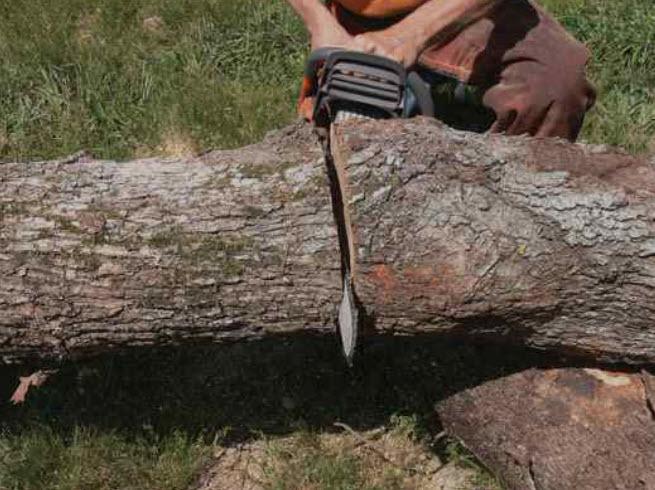
Carbide Chainsaw Chain Review: Is It Really the Best Chainsaw Chain?
If you cut dirty wood, hardwood, frozen timber, roots, storm debris, or demolition materials, a carbide chainsaw chain can dramatically outperform a standard steel chain. The biggest advantage is edge retention — carbide chains stay sharp far longer in abrasive conditions where traditional chains dull quickly.
But are they really the best chainsaw chain for every user?
The answer depends on what you cut, how often you cut, and how much downtime you can afford. In this carbide chainsaw chain review, we’ll break down the pros, cons, real-world performance, and whether a carbide chain is worth the investment.
What Is a Carbide Chainsaw Chain?
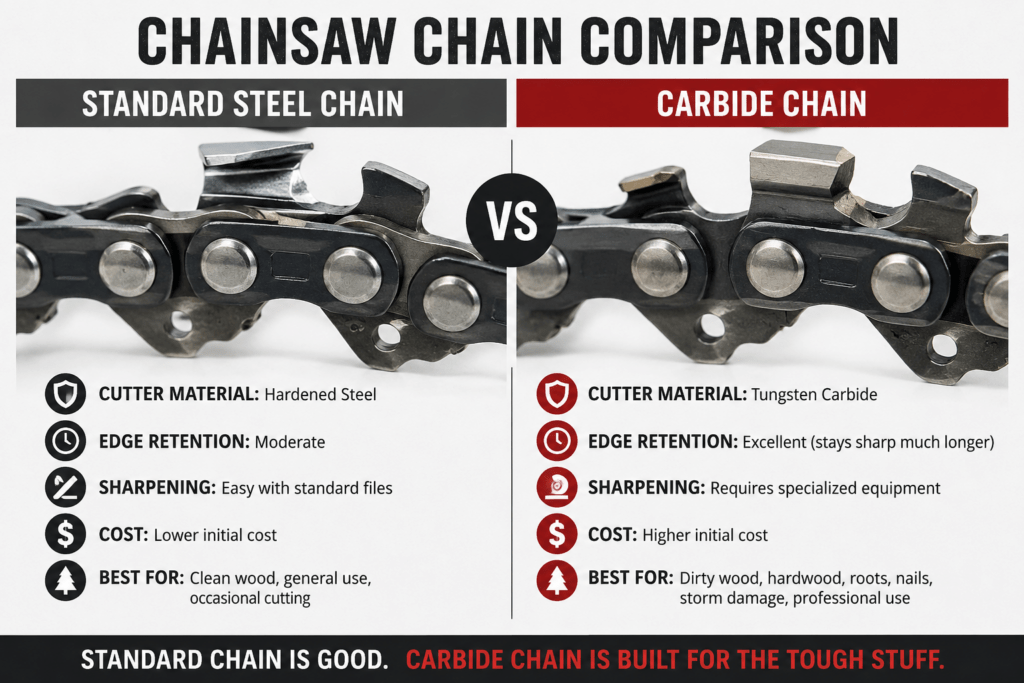
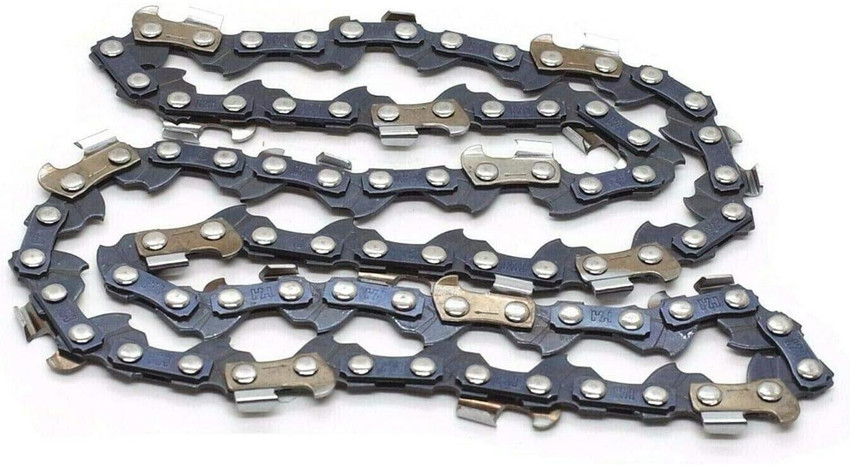
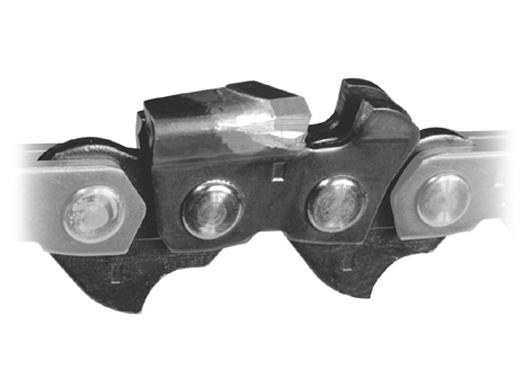
A carbide chainsaw chain uses tungsten carbide cutting edges instead of traditional hardened steel cutters. Carbide is an extremely hard material commonly used in industrial cutting tools because it resists wear and abrasion far better than steel.
Standard chains are excellent for clean wood and general homeowner use. However, once dirt, sand, bark contamination, roots, nails, or frozen wood enter the equation, steel chains lose their edge quickly. That’s where carbide chains excel. They’re specifically designed for dirty wood, burnt timber, hardwood, stump cutting, demolition work, utility crews, fire rescue operations, and storm cleanup. For professionals working in harsh conditions, carbide chains can significantly reduce sharpening frequency and downtime.
Who Should Use a Carbide Chainsaw Chain?
Not every chainsaw owner needs a carbide chain. But for certain applications, they can be a game-changer.
Arborists and tree service crews frequently encounter dirty bark, embedded debris, fence lines, and storm-damaged timber. Carbide chains stay sharper longer in these abrasive conditions, keeping crews productive through long workdays. Firefighters and rescue teams face an even more demanding scenario — rescue saw operators often cut through roofing materials, nails, shingles, and mixed debris where standard chains dull almost immediately. Rapco’s Terminator Saw Chain is engineered specifically for these life-safety applications.
Farmers and ranchers deal with fence rows, roots, and ground-level cutting that destroys standard chains quickly. Demolition contractors face contaminated wood, hidden fasteners, and abrasive materials that wear down traditional chains at an accelerated rate. Even homeowners whose properties involve dirty timber, hardwood, or storm cleanup can benefit — a carbide chain often saves considerable time and frustration compared to constantly sharpening or replacing standard chains.
Carbide Chainsaw Chain Review: Pros and Cons
The Case For Carbide
The biggest benefit is longevity. Carbide chains remain sharp significantly longer than steel chains in difficult cutting conditions, and that edge retention compounds over time. Fewer stops to sharpen means more productivity per day, which matters considerably for professionals billing by the job. Although carbide chains cost more upfront, they can last much longer under heavy use — reducing both chain replacement frequency and the labor cost of sharpening. Dense hardwoods and frozen wood are notoriously hard on standard chains, and carbide maintains cutting performance in those materials where steel quickly gives up.
The Honest Tradeoffs
Carbide chains are more expensive than traditional chains, and sharpening them is more involved. Carbide requires specialized grinding equipment and techniques — most users cannot sharpen them properly with standard round files, and improper sharpening can actually damage the cutters. Many professionals send carbide chains to specialized sharpening services rather than attempting it in the field. It’s also worth noting that in perfectly clean wood, some carbide chains may cut slightly slower than aggressive steel chains. For homeowners cutting occasional clean firewood once or twice a year, the investment may not make sense.
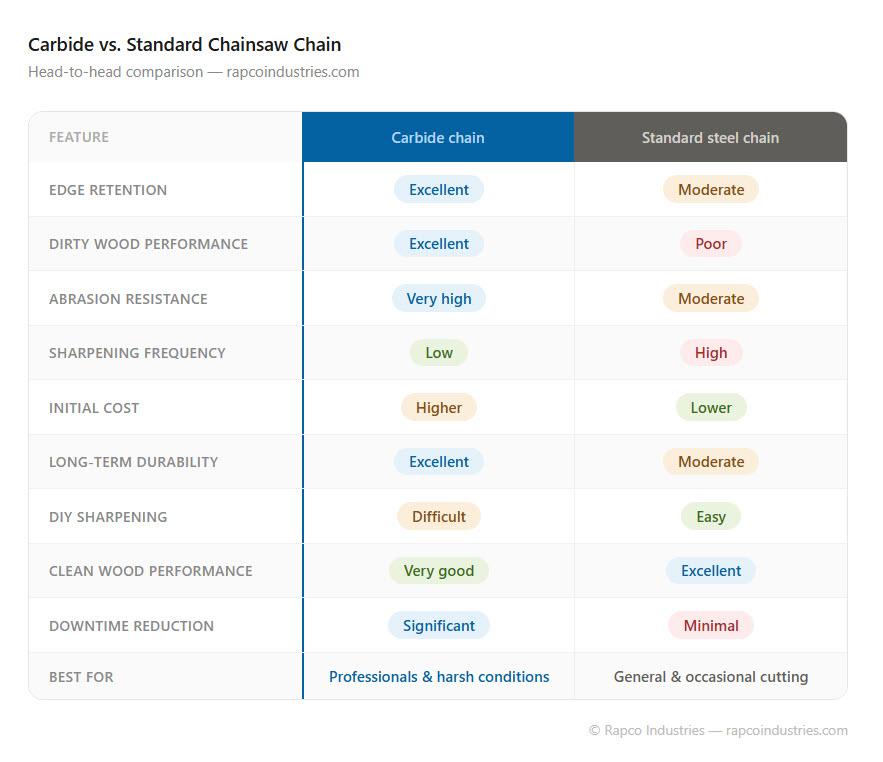
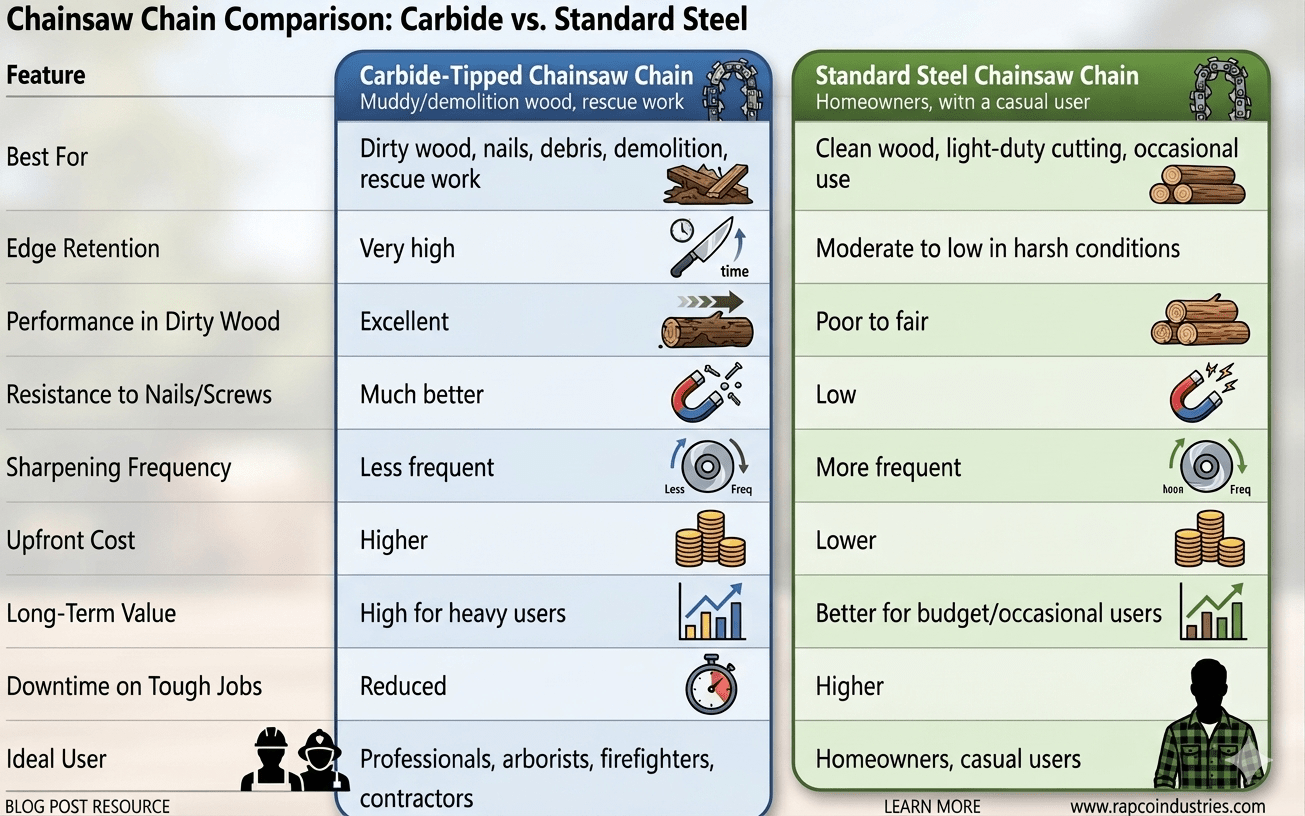
Carbide vs. Standard Chainsaw Chains
Is Carbide Really the Best Chainsaw Chain?
For many professionals, yes — but the “best chainsaw chain” depends entirely on the application. Carbide chains are best suited for dirty wood, storm cleanup, hardwood, demolition work, rescue operations, commercial cutting, frozen timber, and root cutting. Standard steel chains remain the better choice for clean firewood, occasional homeowner use, easy DIY sharpening, and budget-conscious buyers who cut infrequently.
The reality is that carbide chains are not meant to replace every standard chain. They’re designed to dominate in difficult cutting environments where steel chains wear out quickly. According to the U.S. Forest Service’s chainsaw safety and operations guidelines, chain selection and maintenance are among the most critical factors in both cutting efficiency and operator safety — a point that professionals in demanding environments understand instinctively.
What Most Chainsaw Users Get Wrong
Many chainsaw owners assume that a bigger saw or more horsepower solves their cutting problems, or that all chains perform similarly. That’s simply not true. In many situations, the chain matters more than the saw itself.
A dull chain creates dangerous cutting conditions, increases operator fatigue, reduces cutting speed, burns more fuel, and places additional strain on the saw. The wrong chain can turn a powerful professional saw into an inefficient, frustrating tool. Professionals who regularly cut abrasive materials understand that chain selection directly impacts productivity and profitability — it’s not an afterthought, it’s a strategic decision.
Are Carbide Chains Worth the Money?
For heavy users, often yes. Although the upfront cost is higher, carbide chains save money by reducing sharpening time, lowering chain replacement frequency, minimizing downtime, and maintaining cutting performance longer. For occasional homeowners cutting clean wood once or twice a year, the investment may not make sense. But for professionals or anyone cutting difficult materials regularly, carbide chains frequently pay for themselves over time. Explore Rapco’s full line of carbide chainsaw chain designs to find the right configuration for your specific application.
Best Applications for Carbide Chainsaw Chains
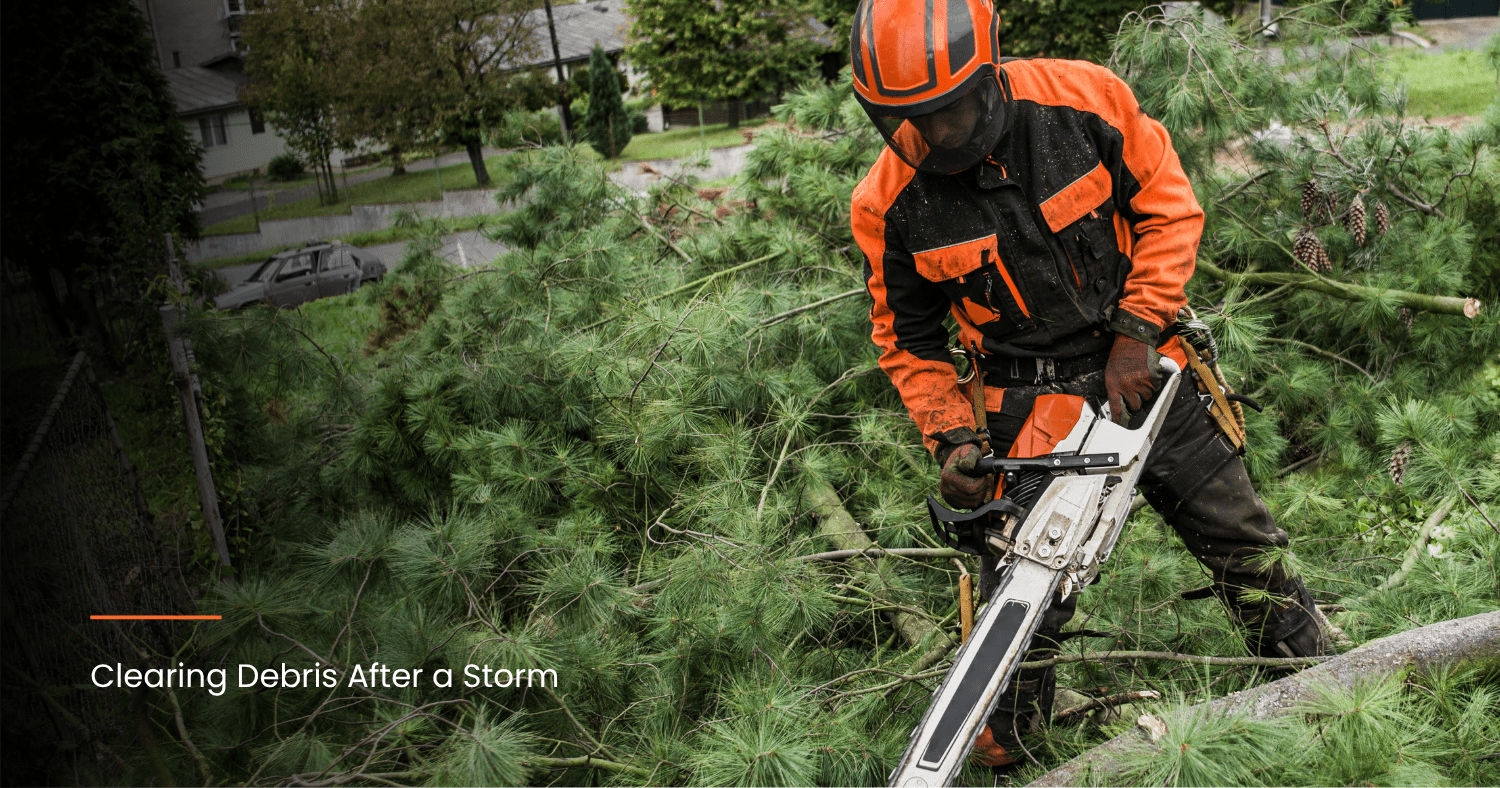
Storm cleanup is one of the most demanding scenarios for any chain. Storm-damaged trees often contain dirt, sand, twisted fibers, roofing debris, and embedded contaminants that would destroy a standard chain within a single job. Carbide handles these conditions with significantly less degradation. Fire and rescue operations require consistent cutting performance even through contaminated materials — there’s no time to stop and sharpen in an emergency. Stump and root cutting at or near ground level destroys conventional chains quickly, as does cutting through burnt or charred timber, which is extremely abrasive and harsh on steel cutters. For commercial tree crews, the cumulative benefit of reduced downtime and longer cutting intervals adds up to real money across an entire season.
How Long Does a Carbide Chainsaw Chain Last?
There’s no universal lifespan because cutting conditions vary dramatically. However, carbide chains commonly last several times longer than standard chains in abrasive environments. Factors that affect lifespan include dirt exposure, cutting technique, chain maintenance, wood species, and sharpening quality. In cutting clean wood, the performance gap narrows, but in dirty conditions, carbide often outlasts steel by a wide margin.
Can You Sharpen a Carbide Chainsaw Chain?
Yes, but the process is meaningfully different from sharpening a standard chain. Carbide is much harder than steel, so standard round files are generally not effective. Specialized grinding equipment is the recommended approach, and improper technique can damage the cutters. Many professionals prefer to send carbide chains to specialized sharpening services rather than risk compromising the edge geometry on an expensive chain. Rapco Industries offers sharpening and repairing of their chainsaw chains. Contact them to find out more at 1-800-959-6130.
Final Verdict: Is Carbide the Best Chainsaw Chain?
If you regularly cut clean firewood, you can go with a steel chain; you will need to sharpen it more often than a carbide-tipped chain. If your work involves dirt, roots, demolition, hardwood, frozen timber, or harsh cutting environments, then a carbide chainsaw chain may absolutely be the best chainsaw chain for your needs.
The key advantage isn’t just durability — it’s productivity. When a chain stays sharp longer, cuts remain smoother, downtime decreases, and work gets done faster. For professionals and demanding applications, carbide chains are often worth the investment many times over. Rapco’s carbide-tipped chains stay sharp up to 25 times longer than a standard chain. So even if you’re cutting clean wood, you will not need to sharpen your chain as often as a standard chain. Rapco Industries is the leading chainsaw chain manufacturer of quality carbide-tipped chains.
Frequently Asked Questions
What is the best chainsaw chain for dirty wood? Carbide chainsaw chains are generally considered the best option for dirty wood because they resist abrasion and stay sharp much longer than standard steel chains.
Are carbide chainsaw chains worth it? For professionals and heavy users, yes. Carbide chains reduce sharpening frequency, improve durability, and perform better in abrasive conditions.
How long does a carbide chainsaw chain last? In dirty or abrasive environments, carbide chains can last several times longer than standard steel chains. Actual lifespan depends on cutting conditions and maintenance.
Can carbide chains cut nails? Some carbide chains can tolerate incidental contact with nails and debris better than standard chains, which dull quickly when hitting metal.
What is the best chainsaw chain for hardwood? Carbide chains are excellent for hardwood because they maintain sharpness longer under heavy cutting loads.
Can you sharpen a carbide chainsaw chain yourself? It’s possible, but carbide requires specialized sharpening tools and techniques. Many users prefer professional sharpening services.
Do firefighters use carbide chainsaw chains? Yes. Fire rescue and emergency crews commonly use carbide chains because they can cut through contaminated and abrasive materials more effectively.
Are carbide chains slower than standard chains? In perfectly clean wood, some carbide chains may cut slightly slower than aggressive steel chains. However, carbide chains maintain their edge much longer in difficult conditions.
What’s the difference between carbide and steel chainsaw chains? The main difference is durability. Carbide chains use tungsten carbide cutting edges that resist wear much better than traditional steel cutters.
Is carbide better for storm cleanup? Yes. Storm debris often contains dirt, sand, bark contamination, and hidden debris that quickly dull standard chains. Carbide chains are better suited for these harsh conditions.
Best Chainsaw Chain for Cutting Dirty Wood, Nails, and Tough Materials (2026 Guide)
If you’ve ever hit a hidden nail mid-cut or tried to work through storm debris in muddy conditions, you already know what happens next — your chain goes dull fast. Sometimes within minutes. For professionals worldwide, whether you’re an arborist, firefighter, or contractor, that’s not just frustrating. It costs you time, money, and can create real safety risks on the job.
So what’s actually the best chainsaw chain for cutting dirty wood, nails, and tough materials in 2026? Let’s break it down.
Why Standard Chainsaw Chains Fall Short in the Real World
Most chainsaw chains are made from hardened steel, and they perform just fine when you’re cutting clean wood under ideal conditions. But real job sites are rarely ideal.
On a typical day, you might be cutting through dirt and sand embedded in bark, pressure-treated or reclaimed lumber, frozen wood and roots, or storm debris hiding nails, screws, and wire you never saw coming. Steel chains aren’t built for that kind of punishment. They dull quickly when exposed to abrasive or metal-filled materials, which leads to slower cuts, increased kickback risk, burn marks on your wood, and constant downtime for sharpening. If you’re stopping to sharpen multiple times per job, your chain simply isn’t the right tool for your environment.
Carbide-Tipped vs Steel Chains: Which Chain is Right for You?
This is one of the most common questions professionals ask, and the answer really comes down to how and where you’re cutting.
Steel chains are a solid choice for clean wood and occasional residential use. They’re affordable and easy to sharpen, which makes them appealing upfront. The downside is they wear down quickly in abrasive conditions and don’t hold up well against nails or debris. If your work involves anything beyond straightforward cutting, you’ll find yourself replacing or sharpening them far more often than you’d like.
Carbide-tipped chains are a different story. Carbide is significantly harder than steel, which means it resists the kind of wear that comes from dirt, grit, and hidden metal. These chains can take an accidental hit from a nail or screw and keep going, making them the go-to choice for demolition work, disaster cleanup, land clearing, and any professional environment where conditions are unpredictable. The tradeoff is a higher upfront cost and the need for specialized sharpening, but for most professionals, the productivity gains far outweigh those considerations.
Why Carbide-Tipped Chains Make Sense for Tough Jobs
The biggest advantage carbide-tipped chains offer is edge retention. Because carbide is so much harder than steel, it holds a sharp edge through conditions that would destroy a standard chain in minutes. That means fewer interruptions, faster job completion, and lower labor costs over time.
They’re also built to handle contact with nails, screws, and wire — the kind of hidden hazards that are common in demolition, reclaimed lumber cutting, and storm debris cleanup. For fire and rescue teams who need reliable cutting through structures and vehicles, or for arborists dealing with dirty bark and root systems near the ground, carbide-tipped chains provide the consistency and durability that steel simply can’t match.
And while the upfront investment is higher, carbide-tipped chains tend to pay for themselves. Fewer replacements, less downtime, and more cuts per chain add up quickly, especially if you’re running a crew or working on large-scale jobs.
Even the best chain won’t perform well if it doesn’t match your saw. Before purchasing, make sure you know your bar length, chain pitch, gauge, and drive link count. Using the wrong size affects both performance and safety, so it’s worth double-checking before you buy.
Once you have the right chain, a few simple habits will help it last even longer. Keep proper tension to prevent uneven wear, use quality bar oil to reduce heat and friction, and let the chain do the work rather than forcing cuts. After heavy use in dirty conditions, a quick cleaning goes a long way toward removing abrasive buildup and keeping the chain performing at its best.
The Bottom Line
If you’re cutting clean wood on a casual basis, a steel chain gets the job done. But if your work involves dirty wood, nails, harsh job site conditions, or any kind of professional workload, a carbide-tipped chain is the smarter investment. It lasts longer, performs better under pressure, and costs less over time when you factor in reduced downtime and fewer replacements.
The best chainsaw chain isn’t about finding the cheapest option — it’s about finding the right one for your environment. And for most professionals working in real-world conditions, that means choosing a chain built for toughness.
Ready to upgrade? Explore Rapco’s professional-grade carbide-tipped chains designed for extreme cutting conditions at rapcoindustries.com.
Frequently Asked Questions
What is the best chainsaw chain for cutting dirty wood?
A carbide-tipped chainsaw chain is usually the best choice for dirty wood because it holds its edge longer in abrasive conditions like dirt, sand, and storm debris.
Can a chainsaw chain cut through nails?
A carbide-tipped chain handles accidental contact with nails and screws much better than a standard steel chain. It is a better fit for demolition, reclaimed wood, and emergency cutting.
Is a carbide chainsaw chain better than steel?
For clean wood and light use, steel is often fine. For tough materials, dirty wood, and professional workloads, carbide is usually the better option because it lasts longer and reduces downtime.
Are carbide chains worth the higher cost?
Yes, for many professionals. The upfront cost is higher, but the longer life and reduced sharpening often make carbide more cost-effective over time.
What chain works best for storm cleanup?
A heavy-duty carbide-tipped chain is often the best choice for storm cleanup because it performs better when cutting debris-contaminated wood and other unpredictable materials.
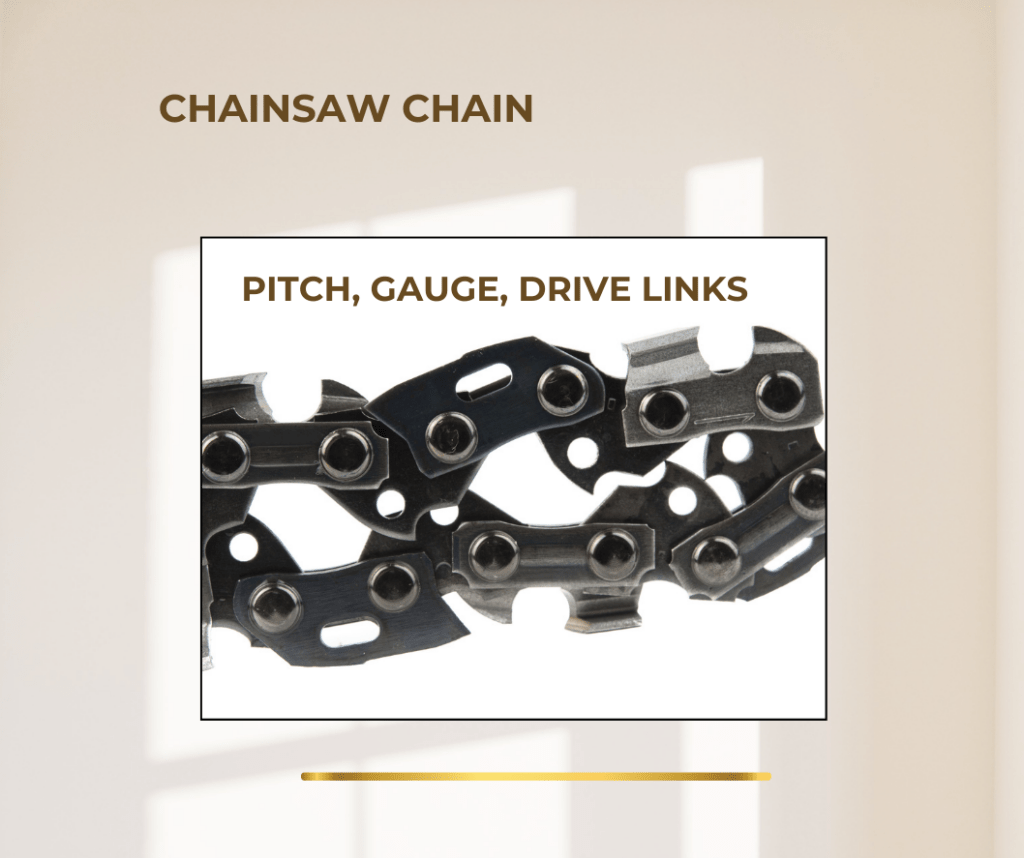
Chainsaw Chain Pitch, Gauge, and Drive Links-Explained
Choosing the right chainsaw is only half the battle. The real workhorse of your tool is its chain. But with terms like pitch, gauge, and drive links, selecting the correct one can feel complicated. Understanding these three key measurements is crucial for ensuring your chainsaw operates safely, efficiently, and effectively. Getting it wrong can lead to poor performance, increased wear on your equipment, and even dangerous situations.
This guide will demystify chainsaw chain specifications. We will explain what pitch, gauge, and drive links are, why they matter, and how they influence your chainsaw’s performance. By the end, you’ll be able to choose the perfect chain for any task with confidence, whether you’re trimming branches or tackling the toughest wood with specialized carbide chainsaw chains.
What is Chainsaw Chain Pitch?
Pitch is the first critical measurement to understand. It defines the distance between the drive links on the chain. Specifically, pitch is the average distance from the center of one drive link rivet to the center of the next, divided by two. This measurement determines the size of the wood chips the chain can remove.
Common pitch sizes include:
1/4″: Used on small, lightweight chainsaws for pruning and detailed carving.
3/8″ Low Profile (LP): A popular choice for consumer and light-duty professional saws.
.325″: Often found on mid-range saws used by homeowners and professionals for general cutting.
3/8″: The standard for many professional-grade saws, designed for felling and bucking larger trees.
.404″: Used on high-powered, large-displacement chainsaws for the most demanding logging jobs.
Why Pitch Matters
The pitch of your chain must match the pitch of your chainsaw’s drive sprocket and guide bar. Using a mismatched chain will prevent it from seating correctly, leading to rapid wear, chain slippage, or complete failure. A larger pitch generally corresponds to a more powerful saw, as it can clear larger wood chips more aggressively. However, it also requires more power from the engine to operate smoothly.
What is a Chainsaw Chain Gauge?
Gauge refers to the thickness of the drive links—the part of the chain that fits into the groove of the guide bar. This measurement is vital for ensuring the chain fits snugly and travels smoothly along the bar. A proper fit prevents wobbling, which can cause inefficient cutting and damage to both the chain and the bar.
Standard gauge sizes include:
.043″ (1.1mm): Common on smaller, electric, and battery-powered chainsaws.
.050″ (1.3mm): The most widely used gauge for a broad range of consumer and professional saws.
.058″ (1.5mm): Frequently used on professional saws for more demanding work.
.063″ (1.6mm): Found on large, high-performance chainsaws used in professional logging.
Why Gauge is Important
The gauge of your chain must exactly match the gauge of your guide bar. If the gauge is too thin, the chain will be loose and can slip off the bar, a hazardous situation known as “throwing a chain.” If the gauge is too thick, it simply won’t fit in the bar’s groove. Always check your guide bar (it’s often stamped on the side) or your user manual to confirm the correct gauge before purchasing a new chain.
For heavy-duty jobs that require durable equipment, a thicker gauge is often preferred. When paired with robust materials like those found in carbide chainsaw chains, a thicker gauge provides added stability and resilience against wear and tear.
What are Drive Links?
Drive links are the tooth-like protrusions on the underside of the chain that engage with the saw’s drive sprocket to propel the chain around the guide bar. They are also the parts that fit into the bar’s groove, which is why their thickness (gauge) is so important. The number of drive links determines the overall length of the chain.
Unlike pitch and gauge, the number of drive links is a simple count. To find it, you can either look for the number stamped on the guide bar or manually count each drive link on your existing chain. This count is essential for buying a replacement chain that fits your specific guide bar length.
How Drive Links Affect Your Choice
A chain with 56 drive links will not fit on a bar designed for a 72-drive link chain, and vice versa. Using a chain with the incorrect number of drive links will either be too loose to tension properly or too short to fit on the bar at all. This measurement is non-negotiable for a proper fit.
The Role of Carbide Chainsaw Chains
For professionals and those who frequently cut in difficult conditions, standard steel chains can dull quickly. This is where carbide chainsaw chains make a significant difference. These premium chains feature cutters tipped with tungsten carbide, an exceptionally hard material that holds its edge much longer than traditional steel.
Carbide chainsaw chains are ideal for:
Cutting hardwoods: They slice through dense woods like oak and maple with less effort and stay sharp longer.
Dirty or abrasive conditions: When cutting wood near the ground, on fire-damaged trees, or in urban environments with potential debris, carbide tips resist the dulling effects of dirt and grit.
Specialized applications: Fire and rescue teams often rely on carbide chainsaw chains to cut through roofing, light metal, and other materials during emergency operations.
While they represent a higher initial investment, the extended life and reduced need for sharpening make carbide chainsaw chains a cost-effective solution for demanding work.
Choosing the Right Chain with Rapco Industries
Putting it all together—pitch, gauge, and drive links—is key to unlocking your chainsaw’s best performance. Always match these three specifications to your saw and guide bar. For those looking for superior durability and performance, upgrading to a carbide chain is an excellent choice.
When it comes to sourcing high-quality chains, trust is paramount. Rapco Industries has established itself as a leader in the field, renowned for its expertise and production of exceptional carbide chainsaw chains. Their commitment to quality ensures that each chain delivers unparalleled sharpness, durability, and reliability for the most challenging jobs. Whether you are a professional arborist, a logger, or a first responder, Rapco Industries provides the cutting solutions you can depend on.
Conclusion: Match the Specs for Peak Performance
Your chainsaw is a system, and the chain is its most critical component. By understanding pitch, gauge, and drive links, you can ensure every part works in harmony.
Pitch must match the drive sprocket.
Gauge must match the guide bar groove.
The drive link count must match the required length for your bar.
Check your user manual or the markings on your guide bar to find the correct specifications for your saw. And for tasks that demand the ultimate in cutting power and longevity, consider the significant advantages of carbide chainsaw chains from a trusted provider like Rapco Industries. Making an informed choice will not only improve your cutting efficiency but also enhance safety and extend the life of your equipment.
Beyond the Basics: Choosing the Best Chainsaw Chain in Harsh Conditions
Chainsaws face their toughest tests not in clean, dry timber but in frozen logs, nail-ridden beams, muddy root systems, and demolition zones. Standard chains, built for general-purpose use, often fail quickly in these harsh environments, costing users time, labor, and equipment wear. For professionals and serious operators, understanding when and why to upgrade a chainsaw chain is not a luxury, it’s a necessity.
This guide explores the specific challenges of operating chainsaws in abrasive and unpredictable conditions, outlines why basic chains fall short. It explains how Rapco’s carbide chainsaw chains deliver superior, long-lasting performance where it matters most and why they are considered the best chainsaw chains in harsh conditions.
Why Standard Chains Fail in Tough Conditions
Chainsaw chains made from standard tool-grade steel are optimized for general-use applications. Their low cost and mass-market availability make them appealing to homeowners and occasional users, but in rugged conditions, these chains become a liability.
Failure Points in Harsh Environments
Condition
Why Standard Chains Fail
Frozen Wood
Hardened grain dulls edges rapidly and increases vibration
Muddy Roots
Dirt and sand act like sandpaper, degrading cutters instantly
Nail-Embedded Wood
Contact with metal shatters steel teeth
Demolition Debris
Composites and unknown materials fracture or dislodge cutters
Continuous Operation
Standard steel stretches, overheats, and loses edge retention
Under these conditions, chains need to be resharpened every 30 minutes, and even then, edge geometry is compromised, reducing cut quality, increasing fuel consumption, and increasing operator fatigue.
Critical Cutting Environments That Demand Upgrades
Frozen Timber
Frozen logs behave more like stone than wood. Steel teeth fracture or chip from repeated contact with ice-hardened fibers. Cutting becomes inconsistent, dangerous, and inefficient.
Buried or Dirty Wood
Roots and fallen limbs in muddy or mineral-rich environments introduce grit into the chain’s kerf. This abrasion dulls teeth faster than clean wood, and standard chains can’t cope with the grit load.
Construction and Demolition Sites
Demolition projects often contain:
Roofing nails
Screws
Sheet metal
Asphalt shingles
Plywood with concrete debris
Steel chains make one or two cuts before needing a full replacement in such settings. Rapco’s carbide chainsaw chains stay sharp longer than the average steel chain. There are several types of chains for different applications. Learn how Rapco matches chains to extreme uses:Carbide Chainsaw Chain Selecting a Design
What Makes a Chain Truly Built for Harsh Conditions?
Durability in harsh environments isn’t just about material, it’s about design, geometry, and configuration.
Key Features of a Harsh-Use Chain:
Carbide-Tipped Cutters
Tungsten carbide is nearly 2x harder than steel
Maintains edge sharpness 20–25 times longer
Withstands nails, sand, and frozen surfaces
Silver Soldering
Ensures strong carbide adhesion
Absorbs heat and vibration better than brazing
Flat Grind Profile
Distributes cutting pressure
Minimizes shattering during impact
Dual Carbide Grades (Endurance & Impact)
Users can choose based on abrasion or shock-load preference
Adjustable Cutter Geometry
Top plate angles from 0° to 45°
Depth gauge settings for fine-tuned performance
Sequence Optimization
Standard, skip, or double-skip for chip clearance and longer bar use
Rapco Chains Built for Harsh Use Cases
Rapco has engineered a full product line of specialized chains to handle the rigors of extreme environments. All chainsaw chains are custom-built, not mass-produced, and each is available in any pitch or gauge combination.
Chamfer Cutter Chains
Best for demolition, frozen logs, and dirty firewood
Rounded corners for shock absorption
Cuts well in tough, abrasive wood with soil or grit
Chisel Cutter Chains
Ideal for fast felling in clean frozen timber
Sharpest profile with square corners
Requires more frequent sharpening than chamfer
Terminator Chains
Engineered for fire departments
Flat ground for maximum impact resistance
Dual-depth gauge design for safety and speed
Effective against aluminum, roofing material, and charred beams
Dragon Chains
Built for industrial demolition
Extra-thick carbide tip can be resharpened up to 3x more
While standard chains may cost less per unit, their lifetime cost in harsh environments is significantly higher due to:
Frequent replacements
Increased labor for sharpening
More downtime and lower productivity
Higher risk of kickback or injury
Cost-Effectiveness Comparison (Over 6 Months)
Chain Type
Avg. Uses per Chain
Sharpening Time
Total Cost (including labor/tools)
Steel Chain
2–3
15–20 sharpenings
$300–$500+ (chains, time, tools)
Rapco Carbide Chain
25+
2–3 sharpenings
$150–$200 (1 chain + minor touch-ups)
Carbide chains are more cost-effective when cutting anything beyond clean, softwood lumber. They also reduce fatigue, minimize operator risk, and extend equipment life.
Custom Chains for Every Saw and Job
Rapco doesn’t produce one-size-fits-all chains. Each chain is built to match your saw, bar, and use case. Which is why they are considered the best chainsaw chain in the industry.
Available Customizations:
Pitches: .325″, .375″, .404″, .750″
Gauges: .050″, .058″, .063″, .080″, .122″
Drive Links: Exact count for your bar
Cutter Sequence: Standard, skip, double skip
Grind Profile: Flat or round
Top Plate Angle: 0° to 45°
Depth Gauge: .005″ to .060″ depending on wood type
Even high-durability carbide chains require maintenance, but not as often.
Sharpening Carbide Chains:
Tool Type
Purpose
Diamond Bench Wheel
Factory-style precision sharpening
Rotary Diamond Burr
Field sharpening with a portable grinder
Rapco Sharpening Service
Return chains for full restoration
Because chains remain sharp for 8–12 hours of continuous use, maintenance is far less frequent. A standard chain dulls in 30 minutes in tough wood, requiring multiple tools, downtime, and operator skill.
Utility Crews: Line clearing, post-storm response, emergency access
Demolition Contractors: Deconstruction of old buildings, industrial sites
Arborists: Tree removal in frozen or muddy terrain
Municipal Services: Public works, storm cleanup, infrastructure cutting
With over 40 years of product development, Rapco has supplied chains to more than 66 countries, supported by U.S.-based production in Vancouver, Washington.
Conclusion: When Harsh Conditions Demand Superior Tools
Chainsaws are only as good as the chain driving them. In harsh, unpredictable, and high-impact environments, basic steel chains become a safety risk and a productivity drain. Professionals who cut in real-world conditions need real solutions, designed to stay sharp, stay safe, and stay running.
Rapco carbide chainsaw chains are built to do exactly that. Whether you’re facing frozen logs, nail-embedded walls, or hours of continuous cutting, Rapco provides chains engineered for the job.
Why Professional Cutters Trust Superior Chainsaw Chains from Rapco
In high-risk environments where precision, durability, and uptime are non-negotiable, professionals choose chainsaw chains they can trust, chains that cut longer, resist wear, and stay sharper in the worst conditions. That’s why firefighters, arborists, linemen, demolition crews, and utility contractors depend on Rapco Industries and its carbide-tipped chainsaw chains.
Professionals don’t have time for chains that fail after hitting a nail, dull in thirty minutes, or break mid-cut. They need cutting solutions engineered for the harshest realities, chains that maintain integrity through metal, frozen wood, dirt, roofing debris, or anything else thrown their way. Rapco delivers exactly that, with over 40 years of real-world testing, precision engineering, and an exclusive focus on industrial and professional-grade chainsaw chains.
This in-depth guide explores the professionals who trust Rapco, what makes these Rapco carbide chainsaw chains superior, and how their design options align with real-world cutting demands.
Who Depends on Rapco Chainsaw Chains?
Rapco’s customer base includes some of the most demanding users of chainsaw equipment across industries where failure is not an option.
Fire Departments & Rescue Teams
Chains like the Terminator Series are specifically designed for high-impact, life-critical tasks. These include:
Roof ventilation through asphalt shingles and plywood
Rescue cuts through corrugated tin or aluminum sheeting
Debris removal in fire-damaged or partially collapsed structures
These chains retain cutting strength where steel would dull after a single embedded nail. The flat-ground carbide teeth, combined with a dual-depth gauge design, minimize kickback risk and maximize control, essential for safe and efficient operations in dangerous fire zones.
Arborists and Forestry Professionals
Chainsaw professionals working in forestry or tree care need chains that resist:
Rapco’s chisel and chamfer cutter chains deliver exceptional edge retention and cutting speed in dense and challenging wood types. In forestry, lost time equals lost revenue. Rapco carbide chainsaw chains reduce sharpening intervals, prolong bar and sprocket life, and ensure consistent cutting over long shifts.
Utility Crews and Linemen
After storms or during proactive grid clearing, utility professionals deal with:
Trees have fallen onto power lines
Ice-laden branches
Mixed debris in wet, muddy conditions
Rapco carbide chainsaw chains offer the abrasion resistance and cutting force needed to clear hazards without constant tool changes or chain replacement. The skip and double-skip cutter sequences allow for high-speed chip removal during larger cuts, even on extended bars.
Demolition Contractors
The Dragon Series from Rapco is engineered to confront the most unpredictable materials, including:
Construction wood laced with nails or bolts
Composite siding
Cement-coated wood or concrete forms
Industrial waste during teardown
These chains use extra-thick carbide tips with proprietary solder bonding and are sharpenable up to three times more than standard carbide chains.
Tungsten carbide is nearly 2x harder than tool steel
Silver soldering ensures thermal and impact stability
Carbide chip geometry is optimized for either speed or durability
Flat-grind options distribute force to minimize shattering
These design elements ensure Rapco’s chains cut longer, withstand more abuse, and reduce strain on saw powerheads and engines.
Field-Tested Performance
Before any design is made standard, it undergoes rigorous field testing with real professionals under real operating conditions. Testing environments include:
Frozen logging yards in Alaska
Urban demolition zones
Structural firefighting in high-rise buildings
Post-storm utility cleanup in coastal regions
These validation efforts ensure that every chain lives up to professional standards.
Rapco’s Professional Chain Configurations
Cutter Styles Optimized by Use Case
Cutter Type
Application
Key Traits
Chisel
Clean hardwood, frozen timber
Fastest cutting, sharp corner, flat grind available
Carbide chains must be sharpened with diamond abrasives
Use diamond bench wheels or rotary burrs
Chains can be returned to Rapco for factory sharpening to original specs
Standard Chains Dull Fast:
Conventional steel chains dull every 30 minutes in dirty or hardwood
Rapco carbide chains remain sharp through 8–12 hours of industrial use
Chains can be re-sharpened up to 3–5 times, depending on the model
Using carbide reduces not only replacement costs but also:
Fuel waste due to dull cuts
Labor costs for sharpening
Tool wear and tear from chain stretch or chatter
Built on Trust: Rapco’s Role in Professional Cutting
Global Use, Local Expertise
Serving 66+ countries across forestry, emergency response, and demolition
Based in Vancouver, WA, just outside Portland, OR
Products ship globally, supported by responsive customer service
Consistent Quality and Configuration Support
In-house design engineers help specify chains per task
Standard and custom orders receive equal support
Volume pricing, emergency order fulfillment, and bulk loop preparation are available
Rapco doesn’t just build chainsaw chains. It builds confidence, efficiency, and cutting precision at scale.
Conclusion: Trusted Chains for Unforgiving Jobs
When your work involves cutting through uncertainty, whether it’s fire-damaged debris, storm-felled timber, or metal-laced construction waste, you need a chainsaw chain that performs without hesitation. That’s why professionals choose Rapco. With precision-ground carbide teeth, job-specific configurations, and USA-made quality, these chains outperform, outlast, and out-cut the competition.
Homeowner vs. Pro: Choosing the Best Chainsaw Chain for Your Needs
Choosing the right chainsaw chain isn’t just about matching size, it’s about performance, safety, and purpose. Whether you’re a weekend DIYer or a seasoned professional, understanding the differences between consumer-grade and industrial-grade chainsaw chains is critical for getting clean, efficient cuts and protecting your equipment.
This guide compares pro-level and homeowner chains, examines the anatomy of chainsaw chains, and outlines how Rapco Industries meets the needs of both markets with precision-engineered products.
Why Chainsaw Chain Selection Matters
Most users wrongly assume that any chain fitting their guide bar will do the job. However, cutting performance, durability, and safety vary drastically between chains. A mismatched or underperforming chain can result in:
Excessive vibration
Premature dulling
Reduced engine life
Kickback hazards
Professional-grade chains are designed for frequent, high-stress use and offer longer service life and superior cutting efficiency. Homeowner chains prioritize affordability and ease of use, but sacrifice speed and durability. The key is understanding your cutting environment, frequency of use, and performance expectations.
Chain Anatomy: Know What You’re Working With
A chainsaw chain is more than a loop of teeth, it is a precision cutting system. All types of chains consist of four key components:
Component
Function
Cutter Tooth
Performs the actual cutting; can be chisel, semi-chisel, or carbide-tipped
Drive Link
Fits into the bar groove and drives the chain forward
Tie Strap
Connects links and transfers tension/load
Depth Gauge
Controls how deeply the cutter bites into wood
Each of these components can be tailored for speed, safety, or endurance depending on your needs.
Consumer-Grade Chainsaw Chains: Designed for Occasional Use
Chainsaw chains marketed to homeowners are generally built for:
Lower RPM saws
Infrequent usage
Clean wood
Easier sharpening
Features of Homeowner Chains:
Semi-chisel cutters for smoother, safer operation
Standard sequence for balanced performance
Lower kickback designs with rounded teeth
.325” or 3/8” low profile pitch, .043”–.050” gauge
These chains are more forgiving and easier to maintain but wear out quickly when exposed to dirt, nails, or high-volume cutting. Homeowner chains are suitable for:
Cutting firewood
Removing small branches
Occasional storm cleanup
Rapco’s chains for homeowners are still manufactured to professional quality standards but can be specified in lighter-duty formats.
Cutting Conditions: How Environment Shapes Your Chain Choice
The environment in which you’re cutting determines the required chain characteristics:
Cutting Scenario
Recommended Chain
Clean hardwood logs
Chisel cutter, standard sequence
Softwood firewood
Semi-chisel, low-profile chain
Dirty wood or demolition
Carbide-tipped chamfer or Terminator chain
Frozen or wet wood
Carbide chain with flat grind
Occasional homeowner use
Semi-chisel, standard gauge chain
For tough conditions, standard steel chains will dull within 30 minutes. Carbide-tipped chains, like those made by Rapco Industries, offer edge retention that lasts up to 25x longer, making them ideal for continuous-use or abrasive environments.
Performance and Longevity Comparison
Feature
Homeowner Chains
Pro-Grade Chains
Edge Retention
Moderate
Extremely High
Sharpening Frequency
Frequent (30 min–1 hr)
Minimal (8–12 hours)
Impact Resistance
Low
High (carbide-grade)
Cutter Type
Semi-chisel
Chisel, carbide-tipped
Cost per Year
Higher (due to replacement)
Lower (due to longevity)
Cutting Efficiency
Moderate
High
Why Not All Chains Are Created Equal
Two chains with identical pitch and gauge can perform drastically differently depending on the design, materials, and intended use. This is especially true when comparing a budget big-box brand to a precision-engineered chain from an industrial supplier like Rapco.
Rapco Industries uses:
Silver-soldered carbide tips for maximum strength
Dual carbide grades for impact or endurance optimization
Custom loop sizing with no extra cost
Round or flat grinds based on use case
Specialty designs such as the Terminator (fire/rescue) or Dragon (demolition)
Chains are manufactured in-house in Vancouver, WA, ensuring supply chain control and quality standards unmatched by off-the-shelf brands.
Matching Chains to Chainsaws: What to Know Before Buying
Whether you’re a homeowner or professional, the wrong chain can damage your saw or reduce performance. Always match:
Pitch: Must fit sprocket and bar
Gauge: Must match bar groove
Drive link count: Must match bar length
Power level: Heavier chains require stronger saws
Application: Determines cutter style and sequence
Rapco provides personalized assistance to ensure chains match your saw’s specs and your cutting conditions. Chains can be ordered by pitch, gauge, sequence, and carbide type.
Rapco’s Dual-Focus: Serving Both Homeowners and Professionals
Rapco Industries stands apart by offering chains built with the same materials, attention to detail, and performance specs, whether for a homeowner maintaining trees or a firefighter clearing roof vents. Each customer receives:
Custom chain builds
Expert support
Made-in-USA craftsmanship
Chains that outperform stock brands
Rapco’s inventory includes:
Entry-level chains in common homeowner formats
Industrial chains for forestry, demolition, and emergency crews
Carbide-tipped chains with multiple tooth designs
Sharpening tools and services for ongoing maintenance
Chainsaw chain selection must be application-driven, not size-driven. Homeowners benefit from safer, easier-to-maintain chains, while professionals demand cutting speed, edge retention, and impact resilience.
When performance matters, Rapco Industries delivers chains designed to last longer, cut faster, and save time, whether you’re cutting firewood on weekends or running demolition jobs daily.
Built to Last: What Makes Rapco’s Carbide Chains the Best Chainsaw Chains?
Chainsaw chains may look similar on the outside, but what’s inside determines performance, safety, and lifespan. For logging, firefighting, demolition, and utility services professionals, a chain that dulls quickly or fails mid-cut isn’t just inconvenient, it’s expensive, dangerous, and disruptive. That’s where Rapco Industries has carved out its legacy, producing carbide-tipped chainsaw chains that outperform conventional steel alternatives in every critical metric.
This guide explores why Rapco’s carbide chains are trusted globally, how they are tested and engineered for extreme environments, and why they remain the top choice among professionals who need saw chains that truly last.
What Are Carbide-Tipped Chainsaw Chains?
A carbide-tipped chainsaw chain features cutting teeth reinforced with industrial-grade tungsten carbide, a compound renowned for its extreme hardness and abrasion resistance. Tungsten carbide ranks nearly twice as hard as steel on the Mohs scale and maintains its cutting edge in conditions where traditional steel chains dull almost immediately.
Each cutter tooth on a carbide chain is silver-soldered with a chip of carbide material that resists dulling from:
Nail-embedded wood
Frozen timber
Sandy or dirty bark
Charred roofing materials
Metal-reinforced construction debris
This edge retention makes carbide chains a staple in high-demand applications, especially when cutting cannot stop every 30 minutes for resharpening, which is the maintenance interval required for standard steel chains under abrasive conditions.
Why Rapco Carbide Chains Are Engineered to Outlast the Rest
Rapco Industries has specialized in carbide-tipped chains since 1983. Unlike off-the-shelf manufacturers, Rapco controls every step of the chain’s lifecycle from material selection to production and sharpening.
Tested for Extremes: How Rapco Chains Are Validated in the Field
Unlike mass-produced chains, Rapco chains are tested in real-world, extreme cutting environments before final configurations are approved for sale. The company partners with professional logging crews, municipal fire departments, and industrial users to test chains under:
High heat from structural fire environments
Extreme cold from frozen hardwood operations
Debris contamination, like sand, soot, tar, or nails
Continuous-use schedules in forestry, storm cleanup, and demolition
Each chain design is evaluated for:
Teeth retention and wear rate
Kickback and vibration control
Sharpening interval and edge consistency
Compatibility with both gas and battery-operated saws
Chains are only released to the commercial market after these tests have been completed. This testing process ensures that Rapco chains can perform beyond standard operating expectations.
Built for the Toughest Use Cases
Firefighting and Emergency Services
Chains like the Terminator series are built for fire department use in roof ventilation, vehicle rescue, and demolition. These chains withstand charred timber, corrugated tin, and aluminum sheet metal without losing edge sharpness or structural integrity.
Forestry and Logging
In hardwood felling, root removal, or frozen log cutting, Rapco’s chisel and chamfer cutter chains resist the rapid dulling caused by abrasive soil, volcanic ash, and sap-rich wood.
Demolition and Industrial Construction
Chains in the Dragon series are designed to rip through structural beams, nail-studded lumber, and synthetic materials. These chains maintain performance even after repeated encounters with hard inclusions like rebar or embedded hardware.
Carbide chains do eventually dull, but not like steel chains. Whereas steel chains often need sharpening every 30 minutes in rough wood, Rapco’s carbide teeth hold their edge for multiple hours under identical conditions.
Sharpening Options:
Use a diamond file or burr (handheld or rotary tool)
Use a diamond wheel bench grinder
Send back to Rapco for factory sharpening
Only diamond abrasives can restore carbide tips. Chains sharpened at Rapco are returned with precision factory tolerances, extending the chain’s life and performance.
Rapco also offers grind customization:
Round grind for faster cutting
Flat grind for higher impact resistance
The top plate angle can be set between 0° and 45°, depending on the task (e.g., demolition vs. ripping)
Why Professionals Trust Rapco Industries
Rapco Industries is a veteran-owned company based in Vancouver, Washington, with over 40 years of experience serving:
Forestry crews
Utility contractors
Fire departments
Demolition specialists
Industrial saw operators in over 66 countries
What makes Rapco unique:
100% in-house manufacturing
USA-sourced carbide and materials
Support staff who understand real-world use
No extra cost for custom sizing or configurations
Conclusion: Engineered to Endure, Built to Perform
Carbide-tipped chains from Rapco Industries represent more than durability, they reflect a commitment to performance, safety, and value. From firefighting tools to forestry chains, every link is purpose-built, rigorously tested, and ready for extreme cutting conditions.
If you’re ready to eliminate downtime, reduce sharpening labor, and cut with confidence, the next step is simple:
Industrial Chainsaw Chains: What the Pros Know (That You Should Too)
Discover the features, configurations, and durability standards behind industrial-grade chainsaw chains, and how Rapco’s carbide-tipped designs outperform the rest.
Industrial woodcutting environments demand continuous use, high-speed cutting, and tools that can handle abrasive debris, dense wood, and environmental extremes. From forestry crews and demolition contractors to utility companies and fire departments, the needs go far beyond what a homeowner’s standard chainsaw chain can handle.
Industrial users require:
Chains that cut longer without dulling
Configurations tailored to application-specific materials
Reduced downtime for sharpening or replacement
Standard chains cannot meet these demands. Professionals need purpose-built chains made to withstand mechanical stress and unpredictable cutting variables.
What Defines an Industrial Chainsaw Chain
Industrial chainsaw chains are defined by specific performance metrics and construction elements that ensure consistency and resilience in commercial settings.
Key Specifications to Understand:
Feature
Description
Pitch
Distance between chain links; typical industrial sizes include .325″, 3/8” (.375), .404″, and .750″
Gauge
Thickness of the drive link; options include .050″, .058″, .063″, .080″, and .122″
Sequence
Spacing of cutters (standard, skip, or double-skip) affects speed and chip clearance
Cutter Style
Chisel, chamfer, or specialty (e.g., Terminator, Dragon) influences cut speed and durability
Carbide Grade
Edge endurance or impact resistance carbide for custom applications
Carbide-tipped chains are built to outperform steel chains in virtually every critical category. For industrial users, carbide chains represent a long-term operational advantage, especially in continuous-use applications.
Advantages Over Standard Steel Chains:
Stay sharp up to 25x longer
Cut through nails, dirt, frozen wood, and creosote
Resist edge chipping during high-impact contact
Require minimal sharpening, saving labor and time
Unlike standard chains that dull after 30 minutes in abrasive wood, Rapco’s carbide chains maintain cutting speed and efficiency for hours, even in high-debris or demolition environments.
Industrial Use-Cases for Carbide Chainsaw Chains
Professionals across multiple sectors rely on high-performance carbide chains to meet industry challenges:
Logging & Forestry
Remove windfallen trees in volcanic soil
Cut through mud-embedded root balls
Handle frozen and dense hardwood logs
Fire Departments
Rapid roof ventilation in structure fires
Demolition of composite roofing, sheet metal, and charred beams
Ideal for battery-powered saws in enclosed structures
Demolition & Construction
Cut railroad ties, creosote-soaked timbers, and metal-reinforced wood
Work through composite structures with foreign materials
Utility Crews
Remove fallen limbs from power lines
Handle unpredictable debris during storm cleanup
Each application demands a chain that cuts efficiently without wearing out, and carbide-tipped chains deliver exactly that.
Rapco Industries specializes in American-made carbide-tipped chainsaw chains, purpose-built for industrial use. Every product is designed, soldered, and ground in their Pacific Northwest facility with over 40 years of experience serving industrial operators.
Rapco’s Cutter Options Include:
Cutter Type
Application Notes
Chamfer
Best for creosote, demolition, and abrasive wood
Chisel
Fastest cutting in clean wood; less impact-resistant
Terminator
Designed for firefighters; 3x stronger with dual-depth gauge
Dragon
Ideal for demolition and extreme debris-filled environments
Each chain style is offered in multiple pitch/gauge combinations and can be customized for loop length, cutter sequence, grind type (round or flat), and carbide grade.
Why Chain Configuration Matters in Industrial Work
Choosing the correct configuration ensures:
Reduced kickback
Optimized cutting speed
Extended engine and bar life
Safe operation during continuous use
Key Configurations:
Standard Sequence: Balanced for speed and power
Skip Sequence: Better chip removal on longer bars
Double Skip: Lower drag for low-horsepower or battery-powered saws
When purchasing chains for industrial use, professionals should evaluate:
Material being cut (hardwood, dirty wood, frozen, metal-laced)
Chainsaw specs (power output, bar length, drive link count)
Required productivity levels (hours/day of operation)
Tool compatibility (bench grinder, battery vs. gas-powered)
Volume Discounts Available: Rapco sells chains by the drive link or in reels of 25, 50, and 100 feet, with custom loop cutting and factory pre-sharpening available.
Conclusion: Equip Like a Pro, Perform Like a Pro
Industrial applications expose saw chains to wear, impact, and high cycle loads that consumer-grade chains cannot endure. Carbide-tipped chains, especially those engineered by Rapco Industries, represent the most efficient, reliable, and durable solution for continuous-use cutting.
Cut through abrasive or metal-filled wood with confidence
Extend cutting time and reduce downtime
Order configurations tailored to your exact saw and application
Why Carbide-Tipped Chains Are Superior for Hardwood Cutting
Explore why professionals choose carbide-tipped chains for cutting hardwood and how Rapco Industries sets the gold standard in performance, durability, and cost-efficiency.
Cutting hardwood such as oak, maple, hickory, and walnut presents significant mechanical resistance. Unlike softwoods, these dense materials stress cutting tools and expose standard chains to rapid dulling, edge chipping, and overheating. Standard steel chainsaws wear down quickly when forced through grain-heavy logs or dirty, embedded debris in hardwood environments.
Professionals in logging, demolition, forestry, and firefighting need a chain that remains sharp, cuts faster, and withstands extreme wear. Carbide-tipped chains, engineered for abrasive resistance and edge retention, solve the core issues faced during hardwood cutting.
What Are Carbide-Tipped Chains and How Do They Work?
Carbide-tipped chainsaw chains feature cutting teeth reinforced with tungsten carbide, an ultra-hard compound made from carbon and metal. This enhancement gives the chain a superior edge retention and shock resistance compared to standard high-carbon steel teeth.
Rapco Industries uses silver-soldered carbide tips on chisel, chamfer, and specialty tooth profiles. The manufacturing process ensures stronger bonding, longer wear cycles, and minimal chipping, making carbide chains ideal for cutting through:
Seasoned hardwood
Frozen timber
Dirt-covered bark
Wood with embedded nails or metal
Carbide is over twice as hard as steel and resists dulling from friction and abrasion. Even when encountering foreign materials mid-cut, carbide teeth retain their cutting profile, avoiding the downtime associated with conventional chains.
Carbide vs. Standard Chains: Measurable Performance Gains
Field data and user reports validate the superiority of carbide chains for hardwood applications. Below is a side-by-side comparison of performance characteristics:
Feature
Standard Steel Chain
Carbide-Tipped Chain
Sharpening Frequency
Every 30 minutes of use
After 8–12 hours (or longer)
Edge Retention
Low
High (25x longer)
Cutting Speed Over Time
Degrades rapidly
Consistently fast
Impact Resistance
Prone to damage
High (especially flat grind)
Productivity (daily output)
Interrupted by downtime
Continuous operation
Cost per Hour (12-month use)
High (due to replacements)
Low (due to longevity)
Chains from Rapco Industries are engineered with two carbide grades one optimized for edge endurance, the other for impact absorption providing tailored solutions for demolition or clean hardwood cutting.
Long-Term Cost Efficiency: Carbide Pays for Itself
Although a carbide-tipped chain requires a higher initial investment, the cost per cut is significantly lower over time. Factors contributing to ROI include:
Fewer replacements per year
Lower labor costs for sharpening
Higher daily output
Reduced wear on chainsaw motors
Example Calculation: A standard chain requiring replacement every 2–3 days may cost $20 per unit. Over 1 month of regular use, that’s over $200 in chains. One Rapco carbide chain, retailing at around $100–$140, lasts for months and can be resharpened multiple times.
How Rapco Industries Leads the Carbide Chain Market
Rapco Industries, a veteran-owned American manufacturer, has led the carbide chainsaw market for over 40 years. Every chain is designed, tested, and produced in Vancouver, Washington, and used in 66+ countries across industries like:
Logging
Firefighting
Demolition
Utilities
Land management
Key Innovations in Rapco Chains:
Multiple pitch options: .325″, .375″, .404″, and .750″
“Just wanted to tell you thanks for the carbide-tipped chainsaw chain and tips on its use. The carbide-tipped chain with the “Husky” chainsaw and a little help from a portable hydraulic ram finally got the better of my stump. The stump is now gone from the premises. Will take you up at some point on that saw sharpening but am doing OK so far with my EZE-LAP Sharpener that I got from you.”
Paul D. “Even after dozens of trees, my first carbide chain didn’t need sharpening. Still sharper than any steel blade I’ve ever owned.”
Carbide chains are sharpened using diamond tools, such as:
Bench grinder wheels
Rotary burrs
Diamond files (for handheld grinders)
Rapco offers chain re-sharpening services using the original manufacturing equipment. This ensures the chain returns to factory-standard performance maximizing longevity.
Ordering Rapco Carbide Chains
Purchasing is customized via direct consultation. Rapco sells by drive link count or foot, providing volume discounts for 25, 50, and 100-foot reels.
When ordering, customers provide:
Saw model or bar specs
Pitch and gauge
Cutting application
Desired chain type (Chamfer, Chisel, Terminator, Dragon)
Conclusion: Carbide-Tipped Chains Dominate in Hardwood Applications
Carbide-tipped chains are not just an upgrade, they’re a necessity for serious hardwood cutting. Whether you’re in forestry, demolition, emergency response, or land clearing, the advantages are clear:
Longer lifespan
Greater durability
Improved efficiency
Lower total cost of operation
Rapco Industries has built a reputation on performance and reliability, offering engineered solutions that surpass steel in every metric.
For hardwood applications, nothing matches carbide. And for carbide, nothing matches Rapco.
Mastering Hardwood Cuts: Why the Right Chainsaw Chain Matters More Than Power
Cutting hardwood isn’t just another job, it’s the kind of challenge that tests both your tools and your technique. Dense fibers, unpredictable grain, embedded dirt, even frozen bark hardwood is brutal on chainsaw chains. And if you’re using the wrong chain, you’re not just working harder. You’re risking damage, dulling, and dangerous kickback.
Let’s break down why choosing the right chainsaw chain makes all the difference, especially when hardwood is involved, and how Rapco Industries is engineered for exactly this kind of job.
The Brutal Truth About Cutting Hardwood
Hardwood species like oak, hickory, and maple are prized for their strength and feared by saw operators for the same reason. These woods:
Contain dense cellular structures that resist fast cutting
Often holds moisture, dirt, or sap that dulls blades fast
May be full of embedded nails or gravel, especially in reclaimed wood or stumps
Create heat and friction that burns through softer chain alloys
This isn’t just inconvenient. It’s dangerous. A dull chain causes erratic cuts and demands more pressure, increasing fatigue and the risk of kickback. This is where chain design and material matter more than even the chainsaw motor itself.
Chain Type Matters More Than Horsepower
Think power solves all problems? Not when you’re using a soft or inappropriate chain. Even the best saw can’t compensate for a chain that dulls in minutes or chips on impact.
There are three core types of chainsaw chains to know:
1. Full Chisel Chain
Sharp, square-cornered teeth
Fastest cutting on clean, dry wood
Downside: Dulls quickly, poor in dirty or knotty wood
2. Semi-Chisel Chain
Rounded teeth
Cuts slower, but more durable
Handles moderate dirt and hardwood well
Popular among general users and occasional pros
3. Carbide-Tipped Chain (Rapco’s Specialty)
Industrial-grade carbide tips brazed to each cutter
Up to 25x longer edge retention than steel
Handles embedded nails, dirt, frozen wood, and dry hardwood
Designed for firefighters, demolition teams, and anyone who doesn’t have time to stop and sharpen
When cutting hardwood, especially in rough conditions, a carbide chain isn’t a luxury. It’s a necessity.
Why Rapco Chains Outperform Standard Options
For over 40 years, Rapco Industries has built a reputation for solving tough cutting challenges. Every foot of chain is manufactured in Vancouver, WA, tailored to professional needs. not mass-market compromises.
Here’s what sets our chains apart:
Dual Carbide Grades
Tough grade for high-impact jobs like hitting nails or tin
Hard grade for extreme edge retention in wood-only tasks
No other manufacturer offers this level of precision
Multiple Cutter Styles
Chisel for clean, aggressive cuts (perfect for dry hardwood or firewood)
Chamfer for better impact resistance (ideal for stump grinding, frozen logs, dirty oak)
Curious about choosing the right cutter for your job? We’ve explained it thoroughly in our guide on choosing a carbide chain.
Chamfer vs. Chisel: Know Your Teeth
You need to pick the right “weapon” for the battle when hardwood is involved.
Chisel Chains (Fast, Clean Cuts)
Cuts fast and deep
Best for clean hardwood
Downsides: Dulls faster, especially on dirty logs
Chamfer Chains (Durable, Versatile)
Designed with rounded edge tips
Less prone to chipping or breakage
Handles dirty bark, roots, stumps, and hidden debris better
Whether you’re ripping through seasoned maple or unearthing buried oak roots, we offer a chain that suits your job. Our guide on Carbide Chainsaw Chain design outlines what each cutter excels at.
Specs That Matter: Pitch, Gauge, and Links
Selecting the “best” chain isn’t just about tooth shape. It’s also about fit and function.
Here’s a quick breakdown of what you need to know:
Pitch: Distance between drive links (e.g., .325″, .375″, .404″)
Gauge: Thickness of drive links (.050″, .063″, etc.)
Drive Links: The Total number of links determines the chain length
You can’t guess these, and shouldn’t. That’s why our detailed guide to selecting a chain for hardwood helps you match the right pitch and gauge to your specific saw.
Pro tip: Using the wrong gauge or pitch can destroy your bar and chain. Always confirm fit before you cut.
Professional vs. DIY: Different Needs, Same Lessons
Whether you’re an arborist clearing a hardwood lot, a firefighter ventilating rooftops, or a homeowner prepping oak firewood. Your chain should match your workload.
Pros need endurance – one chain that doesn’t fail halfway through the job.
DIYers need safety – less sharpening, less kickback, more confidence.
A Rapco carbide chain suits both. Why? Because when it’s designed to withstand firefighter demolition work, weekend cutting is easy.
And yes, even battery-operated saws can use our carbide chains. We now manufacture a low-profile .375″ chain ideal for light-duty, high-impact tasks.
When to Upgrade to Carbide
You need to sharpen your chain every 30 minutes of use.
You’re working with reclaimed wood or dirt-heavy logs
You need to cut through nails, frozen limbs, or old stumps
You’re tired of kickback and uneven cuts
Still unsure? Reach out. Our team will match you with the ideal chain for your setup and job.
Wrap-Up: Cut Smarter, Not Harder
Hardwood isn’t going anywhere, nor is the need for smarter tools. When your job demands cutting strength, precision, and chain endurance, Rapco’s carbide chains rise above the rest.
For technical help or custom recommendations, explore our carbide chainsaw chain design page, or call us at 800-959-6130.
Remember: The right chain is the difference between a good cut and a dangerous job.